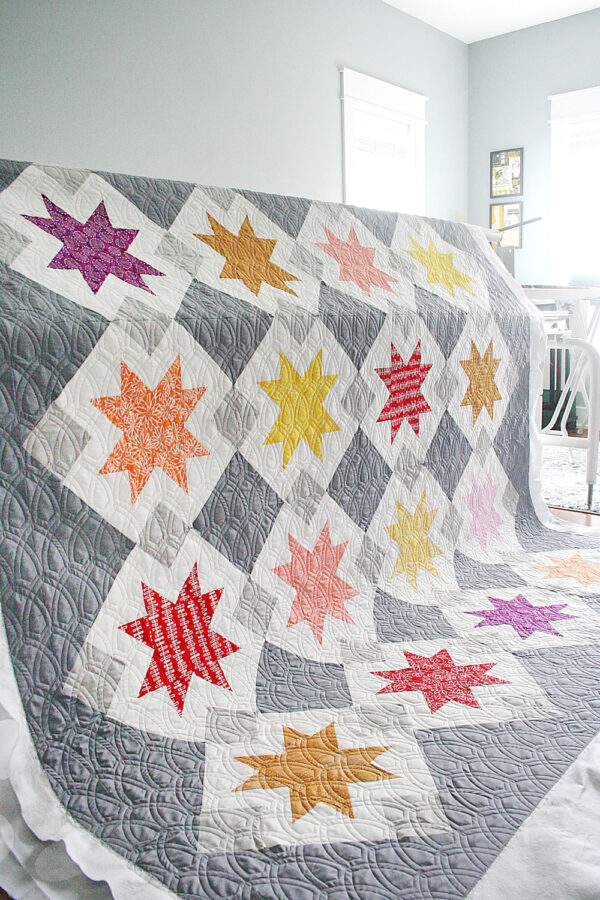
Hey Quilting Enthusiasts! It’s Gina here, diving deep into the world of quilting with satin. So, you’ve dived headfirst into quilting and chose satin for your first crib quilt? Bold choice! When machine-quilting satin, especially when combining backing, batting, and top, it can sometimes get a tad tricky. Puckering can be a real challenge, but worry not, I got your back! (pun intended )
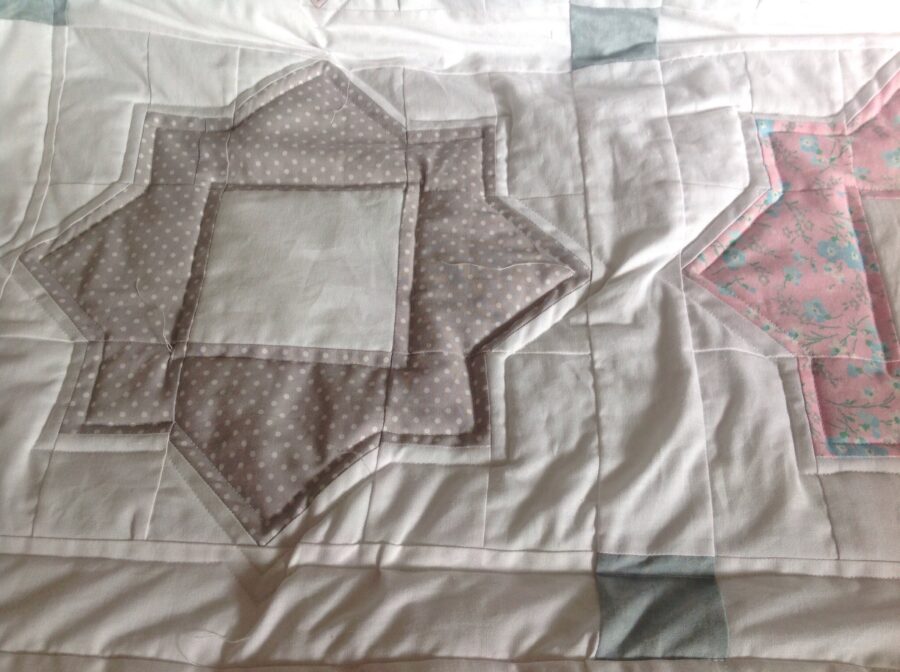
First things first, let’s talk about layering. If your backing is puckering, it may be because of uneven tension between the quilt’s top and its back. But fret not! Here’s a gem from my quilting treasure chest: Basting! Yep, good old basting can help ensure all three layers are in perfect harmony.
Basting Methods:
1. Traditional Frame: I adore the classic way of pinning the quilt onto an old-school quilting frame made of 1 x 2 wooden bars. Once fastened with C-clamps, you can use basting thread and a long needle to create a grid pattern. This ensures both the top and back are taut and even. Classic, but gold!
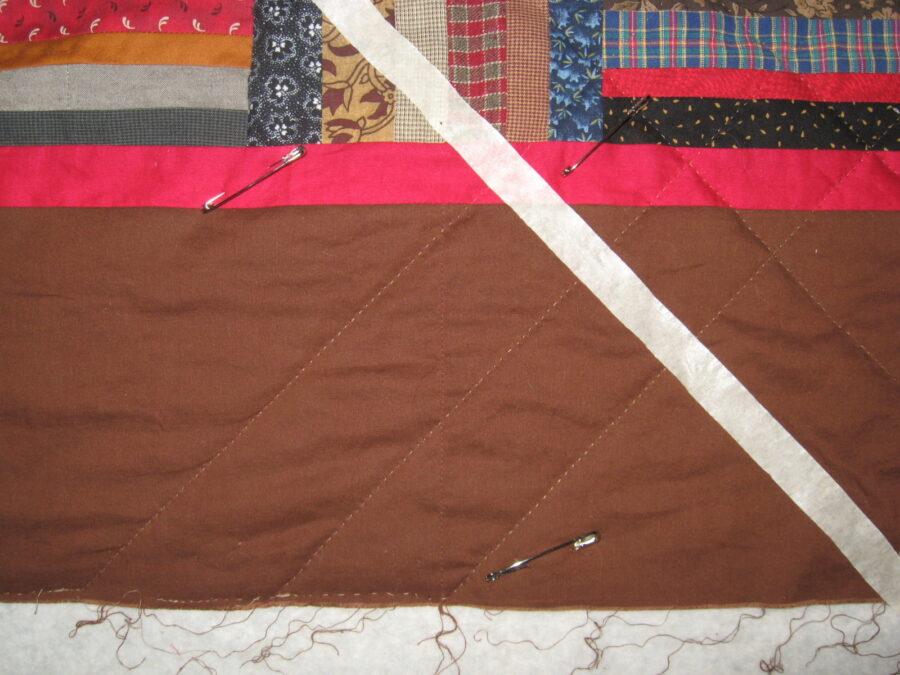
2. Pin-Basting: Modern quilters swear by pin-basting with tiny brass safety pins. Just ensure these pins are smooth to avoid snagging that lovely satin. This method involves taping the backing to a large surface, layering the batting, and then the top, ensuring a snug fit for all layers.
3. Quilter’s Basting Gun: While it’s a popular choice, I’d personally be cautious with satin. The tool can sometimes leave permanent marks.
4. Basting Spray: It’s effective, but watch out for oversprays. Nobody wants glued shoes!
5. Fusible Batting: Great for smaller projects. However, consult with the manufacturer to ensure the satin can handle the iron temperature.
Other Quilting Nuggets:
– Using a low-loft batting can make machine quilting smoother.
– Polyester batting tends to be slippery, especially with satin. Maybe consider cotton for a firmer grip.
– For those straight sewing lines, make sure to use an “even feed” or quilting foot. Ensure your machine is set up correctly, and for free-motion quilting, it’s all systems go!
Table of Quilting Details:
| Method | Pros | Cons |
|---|---|---|
| Traditional Frame | Ensures tautness | Time-consuming |
| Pin-Basting | Modern and Effective | Need to ensure no snagging |
| Quilter’s Basting Gun | Quick | Possible marks on satin |
| Basting Spray | Effective | Possible overspray issues |
| Fusible Batting | Great for small projects | Check iron temperature |